
Women Missionaries

What Is the History of Christian Missionaries in South Asia?

Jesus’ disciple Bartholomew may have been one of the first missionaries to bring the New Testament to one country in South Asia , traveling along old trade roads where people from many distant lands met and heard the good news for the first time and where small groups of believers began to meet in homes for prayer and teaching from the apostles. It is said he left behind a copy of the Gospel of Matthew.

He was followed, most likely, by Thomas the Apostle and Bishop David of Basra, all within the first three centuries following Christ’s ascension , as the faith spread through those who shared what they knew in ports, homes, and markets across the wide region of South Asia.[1] Men and women rose to preach the Gospel in these gathering spots where travelers and townspeople alike could hear, and small groups formed around the truths they shared together.

Ancient texts tell of the rise of the church through Christian missionaries in South Asia, according to Encyclopaedia Britannica. Myth and tradition surround the early era of Christianity in South Asia, and geography and commerce played heavily into who, when and where missionaries made an impact , with ships carrying both goods and the Christian faith along the coasts and on inland roads that linked far-off regions over many centuries and opened new doors for the gospel to reach distant new lands that had never heard the message before. Small groups gathered around those who had met the risen Christ, and these groups lasted through times of change and hardship, holding to the faith they had received from the first generation.

The 15th and 16th centuries brought waves of orders, such as the Franciscans, Jesuits, Augustinians and Dominicans , each adding fresh energy to the spread of Christianity across the land. One of the earliest known Christian texts in one south Asian country’s language is the Portuguese-Tamil Primer of 1554, which shows the influence of Portugal’s colonization on the spread of Christianity and marks when the faith first took written form in a language people could read for themselves in their own land for the first time.

Faith spread through a simple pattern. Believers lived among their neighbors and shared what they had found. The church grew because local people took the message to heart and passed it on — a pattern that still holds true today.

This long story teaches a key truth. The gospel did not arrive through foreign armies. It came through the steady witness of those who traveled and rose to share the Gospel with others.

Across the centuries, one thing does not change: the message moves through people who care enough to share it. Ordinary men and women have changed whole communities, and the same could happen again today.

The Unfinished Work in South Asia Today

The world’s population includes more than a billion people in South Asia. Countless people live in towns with limited access to Christian teaching. The Joshua Project shows thousands of unreached people groups who have not heard of Jesus.

These groups in south Asia live in both highlands and growing cities. Many have never heard the Gospel in their own tongue. The need across South Asia is still so vast.

Reaching such different people takes workers who speak the local tongue. Operation World notes that South Asia holds hundreds of languages. Real impact comes from those who stay, not a short term trip. The mission field is vast, and trust takes years to build.

There is reason for hope. Towns are open to those who come with respect, and though the number of unreached people groups is large, the fields are ready. The workers are still too few.

Many here follow their own faith with sincerity. When they meet a follower of Jesus who treats them well, they often want to know more. Simple friendship opens doors that debate cannot.

Why Women Are Essential in South Asia

No missionary work is easy, and the complexities of many South Asian countries from culture to language to geography have long made missions especially challenging. GFA World recognizes and appreciates these possible barriers and is able to meet them with exceptional understanding because GFA missionaries are from the country in which they serve , speaking the heart tongue and living the daily rhythms of life, and this local knowledge lets them serve with a grace no foreign worker can match no matter how many years of study they bring to the task.

This model works well as Asian churches take greater ownership of the mission in their own regions. Local believers are already home — they need no years of change or learning a new way of life.

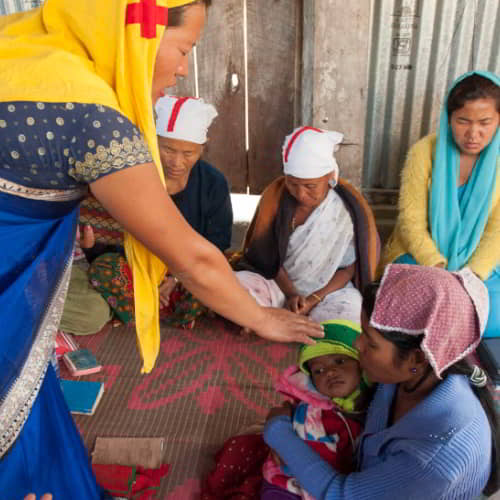
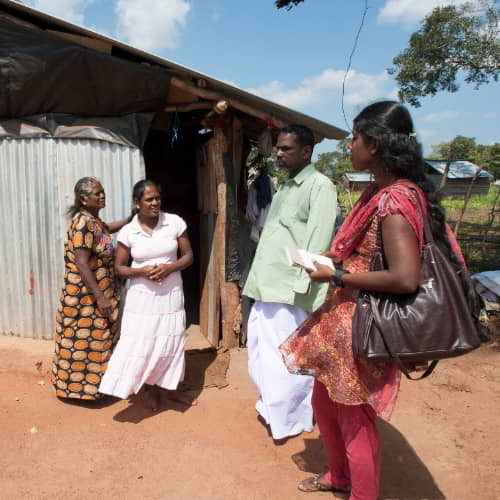
One of the unique aspects of GFA’s missionary program is the training and support of women. These women missionaries take tender care and love to some of the most vulnerable of South Asia: widows, women and children. A GFA woman missionary is able to approach a woman in her home without misinterpretations, as well as establish true friendships that create trust , gaining access no male worker could have and building trust that opens doors for the whole family and the wider community.

Through this ministry, women are cared for, discipled, and given new hope, and entire families come to know Christ because one woman was willing to serve.

Women missionaries plant local churches where none existed. They lead literacy classes, job training, and health programs, and church planting through women’s ministry begins with service and grows into lasting fellowships. One equipped woman becomes a force for good in her whole town. Her work spreads to the next street and the next family over time.

She builds ties that last for years, walking with families through hard seasons and good ones. She stays when others leave — this is international missions done well. Over time, her steady presence becomes the most powerful sermon her neighbors will ever hear.

A single woman may start with one small class or one visit, and from that simple start children learn to read and families find hope. Her work changes lives far beyond her reach. What begins in one living room can grow into a church that shapes a whole village for generations.

How You Can Support Missionaries in South Asia

Because GFA female missionaries in South Asia are from that country, they can be sensitive to cultural taboos that might put up a barrier between a woman and the hope of Jesus Christ. Just $45 per month helps support these brave and passionate women, as they serve in some of the hardest places in South Asia, like slums and leper colonies.

Send a GFA missionary today with your monthly gift and know that she will bring beautiful understanding, kindness and help to those most in need.

Learn more about women missionaries

[1] The Editors of Encyclopaedia Britannica. “St. Bartholomew.” Encyclopaedia Britannica. https://www.britannica.com/biography/Saint-Bartholomew. May 1, 2026.