What Is the 10/40 Window

How Can I Help Reach People in the 10/40 Window?

Millions of people live in thousands of people groups that have yet to hear the Gospel. There is a dire need for ministry in the 10/40 window. The 10/40 window is home to approximately 5.3 billion people across more than 8,800 distinct cultural groups.

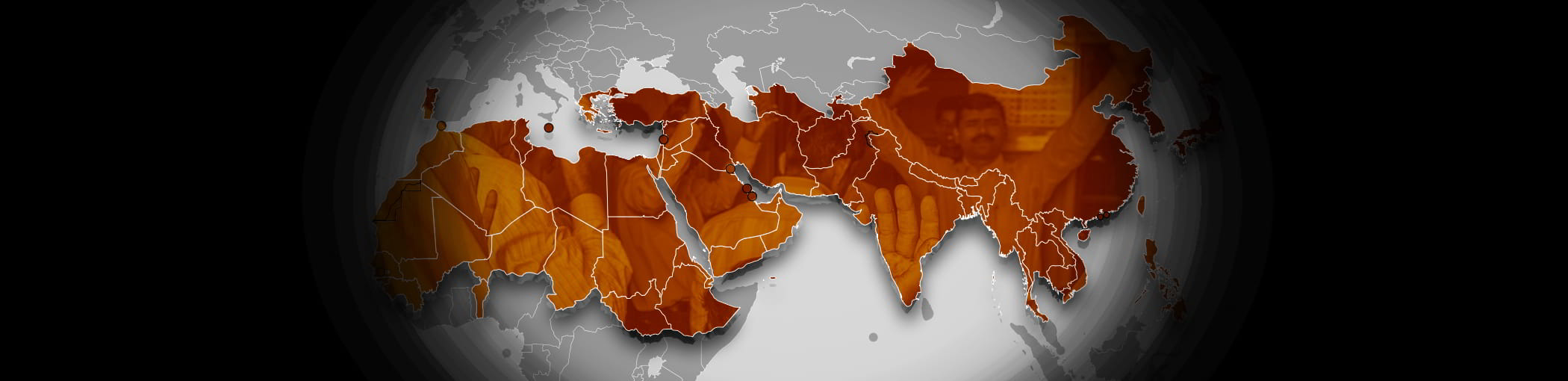
The history of the region stretches back to Creation. The land between 10 degrees and 40 degrees north latitude served as the setting for Garden of Eden and the Tower of Babel. It remains the center of many world cultures and religions.[1] This region of the world encompasses North Africa, the Middle East, and South Asia. Opposition to Christianity can make evangelism difficult within the window. Many organizations, like GFA World, are rising to answer the call.

Understanding the Spiritual Need

Approximately two-thirds of the world population resides within this geographic band. Of the majority of the world‘s unreached people groups, more than 6,000 are located here—representing 3.29 billion individuals who do not yet know of Jesus.[7] The 10/40 window included 55 of the world’s least-evangelized nations when first identified.[8] This concentration of spiritual need has led many to view the region as central to fulfilling the Great Commission.

Geographic and Cultural Diversity

The 10/40 window spans Africa the Middle East and extends across Asia.[10] This vast region contains extraordinary diversity in language, culture, and religious tradition. More than 5,000 distinct people groups call this area home, each with unique customs and worldviews.[11] Many of these communities have never encountered the message of Christ’s love. Understanding this diversity helps ministries develop culturally sensitive approaches that respect local traditions while sharing hope.

Traditional Asian religions dominate much of the region’s spiritual landscape. These belief systems are often deeply intertwined with cultural identity and national heritage. For many people, their faith represents not just personal conviction but communal belonging and ancestral connection. This integration of religion and culture requires sensitivity and wisdom from those who minister in these contexts. Ministry approaches must honor people’s dignity while offering them the opportunity to encounter Christ’s transforming love.

The Reality of Poverty

Those who live in the 10/40 window face both spiritual and physical challenges. An estimated 87 percent of residents are considered the poorest of the poor, with families surviving on an average of $250 annually.[9] This intersection of poverty and limited access to the Gospel creates urgent need for ministry that addresses both spiritual and physical needs.

Poverty affects every aspect of daily life in these communities. Families struggle to afford basic necessities like food, clean water, and healthcare. Children often lack educational opportunities that could help them escape the cycle of deprivation. Parents work tirelessly yet cannot earn enough to provide for their families’ most fundamental needs. This economic hardship compounds spiritual emptiness, creating profound suffering that requires holistic response.

Why National Missionaries Matter

Approximately 85 percent of countries in the window restrict or prohibit Western religious workers from entering.[12] This reality makes national missionaries essential for reaching these populations. They possess cultural fluency that foreign workers cannot easily replicate. They understand unspoken social norms, language nuances, and community dynamics that shape how people receive new ideas.

Their presence does not trigger suspicion or resistance because they belong to the communities they serve. This cultural authenticity enables them to build trust and demonstrate Christ’s love in ways that feel genuine rather than foreign.

GFA World’s Approach to Ministry

GFA is serving in over 20 countries around the world. Our focus centers on working among those who have never heard the Gospel before. These countries are in both Africa and Asia, including several inside the 10/40 region.

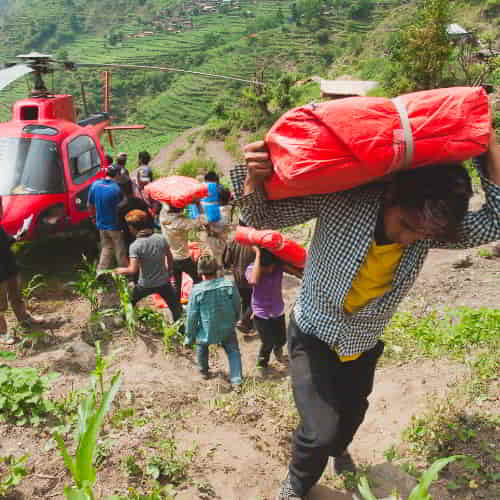
GFA’s service takes several main avenues. These include sponsoring national missionaries to meet people’s needs, sponsoring children, focusing on community development, and helping those in need after natural disasters.[2] Each of these ministries relies on support from believers around the world. They offer great opportunities for involvement in missions from your own home.

National missionaries serve as particularly effective instruments for sharing God’s love in these contexts. Many function as christian missionary workers who understand local languages, customs, and cultural sensitivities that foreign workers cannot easily navigate. Their deep cultural awareness allows them to minister with authenticity and effectiveness in communities where Western approaches might face resistance or misunderstanding.

Ways to Partner in This Work

Supporting National Missionaries

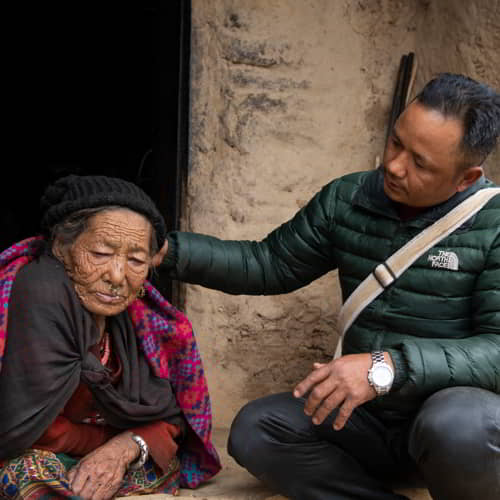
Sponsoring a national missionary enables them to work in areas that are closed or restricted to Western missions. National missionaries already know how the people think, speak and live. This makes them effective agents for sharing the Gospel.

They recognize the specific barriers their communities face. Living in the area also makes them extra sensitive to the needs of those around them.

For only $45 a month, you can contribute to their ministries. Most of GFA’s national missionaries need $180-$540 monthly to live and work. Your sponsorship covers a significant portion of that.[3]

National missionaries often establish long-term relationships within their communities that create opportunities for genuine impact. They remain present through both challenges and celebrations, demonstrating Christ’s love through consistent care over many years. This sustained presence allows them to witness transformation in families and entire communities. As physical needs are met and spiritual hope takes root, lasting change becomes possible.

Investing in Children’s Futures

GFA’s Child Sponsorship Program frees kids from the cycle of poverty, but it also impacts their families and communities. GFA focuses on unserved communities, going where no one else has gone.

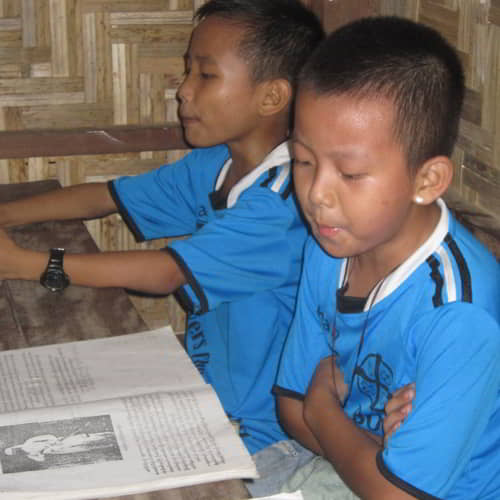
Just $35 a month provides a child living in poverty with education support, nutritious food, healthcare, clean water and much more. Having these needs met shows them and their families the love and hope of God. You can be part of it by sponsoring one of these kids.[4]

Sponsored children receive holistic support that prepares them for brighter futures. Education assistance helps them develop skills that can lift their families from poverty. Healthcare services protect them from preventable diseases that might otherwise hinder their development. Nutritious meals fuel both physical growth and mental development, enabling them to learn and thrive. As children experience this comprehensive care, they discover that God values them deeply and has good plans for their lives.

Strengthening Communities

Community development can follow several different routes, depending on the needs of the area. Sometimes, GFA provides income-generating gifts, like sewing machines or farm animals. At other times, GFA orchestrates the construction of community facilities, like clean water wells, water filters and toilets.

These gifts are often provided through GFA’s Christmas Gift Catalog. Income-generating resources create sustainable pathways out of poverty. A sewing machine enables someone to start a tailoring business that supports their household for years.

Farm animals provide milk, eggs, or other products that families can consume or sell. These benefits multiply across entire communities.

Through the catalog, you can donate money toward specific items that will lift families and communities out of their harsh circumstances.[5] You can also specifically donate toward compassion services to help the needy and people in crisis like victims of natural disasters.[6]
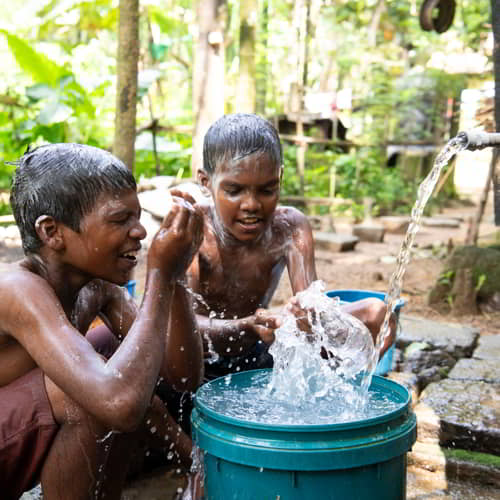
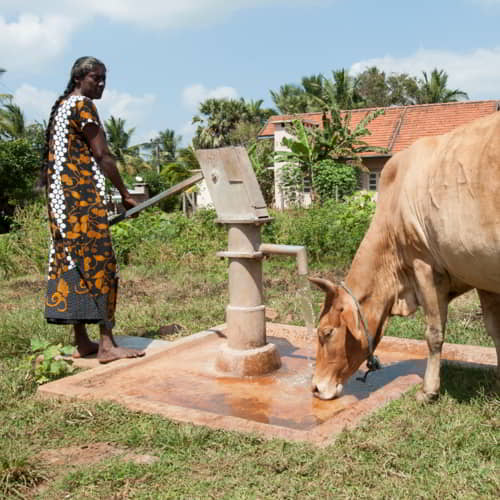
Clean water access transforms health outcomes in communities where waterborne diseases cause widespread suffering. Jesus Wells provide safe drinking water that reduces illness and frees families from spending hours each day collecting water from contaminated sources. Sanitation facilities preserve dignity and prevent disease transmission, particularly benefiting women and children who are most vulnerable. These practical interventions demonstrate God’s care for every aspect of human need—body, mind, and spirit.

These are just some of the ways you can be involved in GFA’s work inside and outside what is the 10/40 window. Consider partnering with us in these efforts to reach these precious people with God’s love and care.

Learn more about what is the 10/40 window

[1] “What Is the 10/40 Window?” Joshua Project. https://joshuaproject.net/resources/articles/10_40_window. Accessed July 17, 2023.
[2] “About Us.” GFA World. https://www.gfa.org/about/. Accessed July 17, 2023.
[3] “National Missionaries: About National Missionaries.” GFA Word. https://www.gfa.org/sponsor/why-national-missionaries/. Accessed July 17, 2023.
[4] “Sponsor a Child with GFA World.” GFA World. https://www.gfa.org/sponsorachild/. Accessed July 17, 2023.
[5] “Community Development.” GFA World. https://www.gfa.org/ministries/community-development/. Accessed July 17, 2023.
[6] “Compassion Services.” GFA World. https://www.gfa.org/compassion-services/. Accessed July 17, 2023.
[7] “What Is the 10/40 Window?” Joshua Project. https://joshuaproject.net/resources/articles/10_40_window. Accessed February 20, 2026.
[8] “The 10/40 Window.” Window International Network. https://www.win1040.org/about-the-1040-window/. Accessed February 20, 2026.
[9] “The 10/40 Window.” Window International Network. https://www.win1040.org/about-the-1040-window/. Accessed February 20, 2026.
[10] “The 10/40 Window.” Window International Network. https://www.win1040.org/about-the-1040-window/. Accessed February 20, 2026.
[11] “What Is the 10/40 Window?” Joshua Project. https://joshuaproject.net/resources/articles/10_40_window. Accessed February 20, 2026.
[12] “10/40 Window: We Need To Be Stirred to Action!” Southern Nazarene University. https://home.snu.edu/~hculbert/1040.htm. Accessed February 20, 2026.