What Is the 10/40 Window

Are There Many Countries in the 10/40 Window?

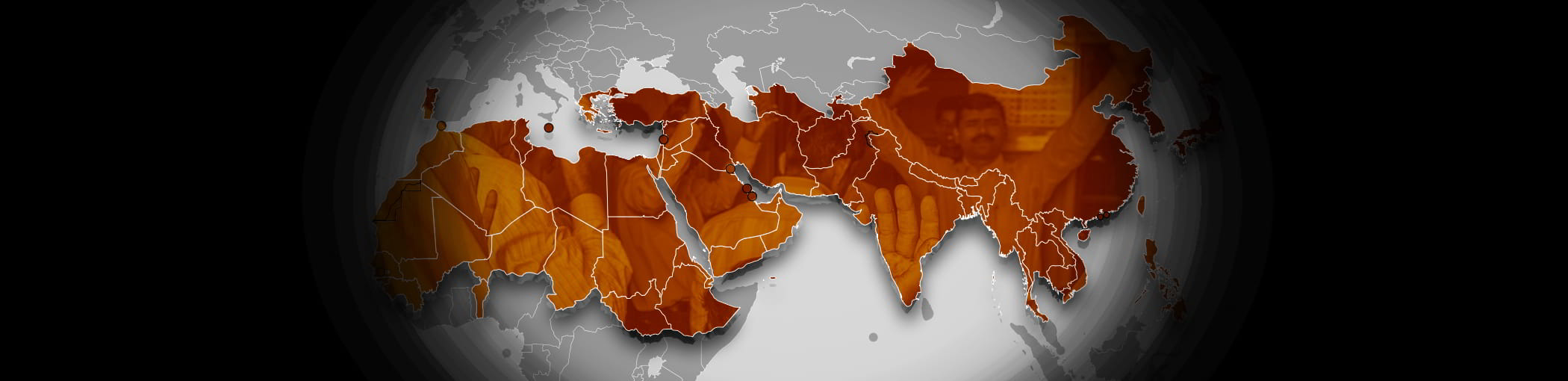
There are about 70 countries in the 10/40 window, and the list has recently been revised to include nations that are close to—rather than inside—the 10- and 40-degree latitude lines and have high populations that have never heard the Gospel. This rectangular region extends from west coast of Africa to the east coast of Asia, positioned between 10 degrees and 40 degrees north north of the equator.

About 5.3 billion people living in 8,883 distinct groups are inside the revised window. Over 6,000 of those groups—3.29 million people—are considered in this category who have yet to hear about Jesus; that is about 62% of the individuals living in the 10/40 window. According to His Feet International, these unreached people groups represent approximately 90% of the world’s UPGs. A few of the new countries that now appear on the revised list are Albania, Azerbaijan, Brunei, Guinea, Indonesia, Mongolia and Sri Lanka.[1]

Regional Distribution Across Continents

The 10/40 window spans three major regions: Africa the Middle East and Asia. Joshua Project reports that the region contains approximately 5.44 billion individuals residing in 8,580 distinct people groups. This represents roughly two-thirds of the world’s total population packed into just one-third of earth’s land area. North Africa forms the western edge of the window, stretching from Morocco through Egypt. The middle east and asia constitute the heart of the region, with countries extending from Turkey and Iran through Southeast Asia to Japan.

YWAM Nuremberg notes that the 10/40 window contains the world’s five largest cities. These include Tokyo, Jakarta, Delhi, Guangzhou and Mumbai. Additionally, 29 of the 44 global megacities with populations exceeding 10 million residents are located within this region. Urban contexts present unique challenges for reaching people with the good news of Jesus Christ. High population turnover and broken social networks make sustained ministry more complex in these densely populated areas.

People Groups and Religious Contexts

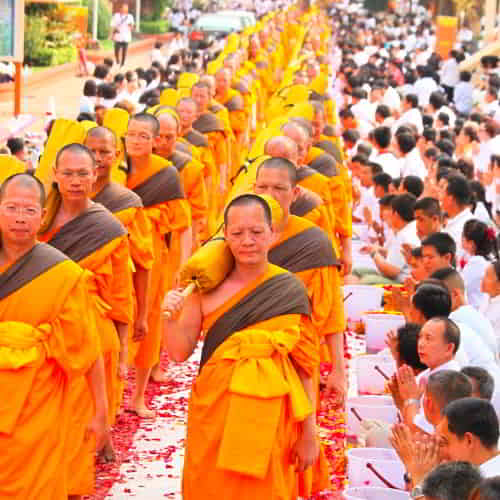
The 10/40 window is home to the vast majority of the world’s Muslims, Hindus and Buddhists. Pray1040 reports that approximately 2 billion Muslims live globally, with nearly 95% residing within the window. About 1.2 billion Hindus exist worldwide, and almost 95% call this region home. For many people in these communities, their faith is deeply intertwined with cultural identity and national heritage, making sharing the Gospel particularly sensitive.

The term “unreached people groups” describes communities where fewer than 2% are evangelical Christians and fewer than 5% identify as Christian adherents. Jesus Film Project explains that unreached individuals face extremely limited access to the Gospel. For them to hear the gospel, someone must intentionally cross cultural and linguistic barriers. This distinguishes them from unevangelized people, who may not know Christ but live in proximity to churches or believers.

According to data from His Feet International, over 5,400 unreached people groups concentrate in the 10/40 window. Language diversity adds another layer of complexity. The region is home to thousands of distinct languages, many lacking Bible translations in their native tongues. Bible translation ministries work tirelessly to bring scripture to these unreached language groups, recognizing that God’s Word in someone’s heart language carries transformational power.

Economic and Social Challenges

The 10/40 window is characterized by profound poverty alongside spiritual need. Statistics show that roughly 80% of the world’s “poorest of the poor” reside in this region. Many families survive on just a few hundred dollars per person annually. Joshua Project observes that the poorest countries and the least evangelized nations show remarkable overlap. Political instability, economic hardship and limited access to education compound these challenges.

In Southeast Asia, poverty rates vary significantly across nations. Seasia.co reports that Cambodia has a poverty rate of 16.6% as of 2022. The Philippines registers 15.5% poverty in 2023, while Indonesia shows 9.03%. Vietnam has achieved remarkable progress, reducing poverty to just 3.4% in 2023. However, these figures mask deeper vulnerabilities. World Data Lab notes that in Timor-Leste and Papua New Guinea, over 30% of populations live below the global poverty line.

In South Asia, poverty remains entrenched despite economic growth. Subsistence farming dominates rural livelihoods, leaving families vulnerable to crop failures and market fluctuations. Access to clean water, healthcare and education remains limited in many communities. These material hardships intersect with spiritual poverty, creating conditions where both physical and eternal hope seem distant.

Persecution and Opposition

Christian persecution within the 10/40 window represents a serious and pressing reality. YWAM Nuremberg reports that many countries enforce strict anti-Christian laws. In some nations, practicing Christianity openly or sharing faith with others is illegal. Believers may face severe restrictions on religious freedoms, from social discrimination to violent attacks and imprisonment.

Authorities in certain countries view Christianity with suspicion or outright hostility. This opposition stems from various factors: historical associations with colonialism, threats to traditional power structures, or conflicts with dominant religious ideologies. For national missionaries and local believers, this reality requires wisdom and courage. They must balance transparency about their faith with sensitivity to cultural concerns and legal constraints.

Despite these challenges, movements toward Christ continue emerging. His Feet International notes that significant movements to Jesus have occurred in several countries within the window. These represent hope for reaching more people with the Gospel and establishing indigenous churches that can sustain themselves and multiply.

Cambodia: A Detailed Case Study

One country on both the original and the revised list is Cambodia. Cambodia is among the over 20 countries where GFA World is currently ministering. In the latter quarter of the 1900s, the nation went through a bloody, 29-year civil war, which killed 3 million Cambodians. They reached peace in 1999. Today, the population is just under 14 million people. About 95 percent of them practice a traditional Asian religion. The Khmers, the original inhabitants of Cambodia, are the largest people group, but there are also small Malay, Vietnamese and Chinese populations in the country. The nation’s ethnic diversity reflects centuries of trade and migration across Southeast Asia.

With lush forests, mountains, the Mekong River and the Gulf of Thailand, Cambodia is a beautiful country, but tragically, much of its tourism is connected to sex. This exploitation particularly affects vulnerable children and women. Poverty drives many families into situations where protection from trafficking becomes difficult. Almost 75 percent of Cambodian workers earn a living through subsistence farming, but the nation is still greatly impoverished.[2] According to Seasia.co, Cambodia’s 2022 poverty rate of 16.6% means roughly 2.3 million Cambodians struggle with extreme poverty. Many rural families lack access to reliable healthcare, clean water and educational opportunities for their children.

The legacy of civil war continues affecting Cambodian society decades after peace was established. Landmines still pose dangers in rural areas. Orphans and widows from the conflict face ongoing hardships. Trauma from violence has passed through generations, affecting community relationships and individual well-being. In this context of physical and spiritual need, humanitarian work becomes essential.

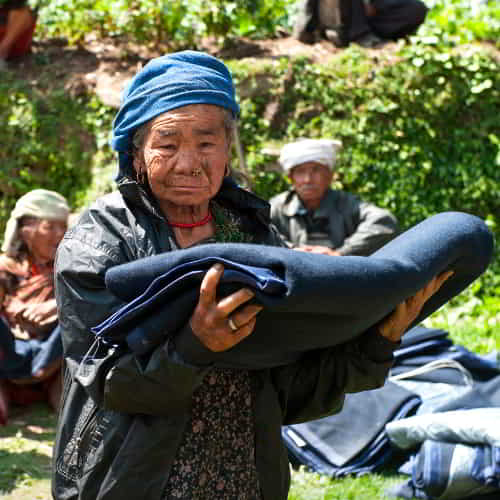
GFA works in Cambodia in much the same way we work anywhere else: by meeting tangible needs and showing God’s love to those who have yet to encounter it. GFA national missionaries serve the various people groups, gauging their needs and organizing the distribution of income-generating gifts, Jesus wells, sanitary toilets, blankets or whatever may be most necessary to their communities. These missionaries understand local languages, customs and social dynamics. Their cultural fluency allows them to identify the most pressing needs and respond appropriately. When a community lacks clean water, missionaries coordinate Jesus well installations. Where families struggle with food security, income-generating gifts provide sustainable solutions.

The Child Sponsorship Program helps kids get an education to direct their paths out of the cycle of poverty. In both cases, community development is the goal.[3] Education breaks generational poverty by equipping children with literacy, numeracy and critical thinking skills. Sponsored children receive school supplies, uniforms and tutoring support. Healthcare screenings catch preventable diseases early. Nutritious meals improve concentration and learning capacity. These tangible benefits demonstrate God’s love in practical, life-changing ways.

As physical needs are met, people see God’s love in action and learn how much He loves and cares for them, forever changing their fates when they choose to follow Him.[4] The Gospel becomes credible when accompanied by compassionate action. Families who receive Jesus wells don’t just gain clean water; they experience the kindness of a God who cares about their daily struggles. Children in the sponsorship program don’t just receive education; they discover hope for a future beyond poverty’s limitations.
South Korea: A Testimony of Transformation

South Korea offers a remarkable testimony of change within the 10/40 window context. While South Korea has been removed from the revised 10/40 window list due to its large Christian population, its history provides encouragement. A century ago, Korea was among the least evangelized nations in Asia. Today, nearly 30% of South Koreans identify as Christian. The nation now sends missionaries globally, including to other 10/40 window countries.

This transformation demonstrates what is possible when the Gospel takes root in a culture. South Korean churches have become major supporters of missions worldwide. They provide financial resources, prayer support and personnel for reaching unreached peoples. Their success story offers hope that other nations in the 10/40 window can also experience spiritual awakening and church growth. However, South Korea’s journey also reveals the long-term commitment required for such transformation—decades of faithful witness and prayer.

Indonesia: Diversity and Challenge

Indonesia presents unique challenges and opportunities within the 10/40 window. As the world’s largest archipelagic nation, Indonesia spans more than 17,000 islands. His Feet International reports that Indonesia hosts the largest Muslim population globally. The nation is home to 240 unreached people groups and 113 frontier people groups—the most unreached among the unreached.

Indonesia’s geographic fragmentation creates logistical complexities for ministry. Different islands have distinct languages, cultures and religious practices. What works in Java may not work in Papua. Travel between islands requires significant time and resources. Yet this same diversity offers opportunities. Some regions remain more open to the Gospel than others. National missionaries can move between islands more easily than foreign workers, adapting their approaches to each unique context.

The Great Commission and the 10/40 Window

The great commission in Matthew 28:18-20 calls believers to make disciples of all nations. GotQuestions.org explains that the Greek word translated “nations” actually means “people groups.” Jesus envisioned the Gospel reaching every distinct ethnic and linguistic community. The 10/40 window contains thousands of people groups who have yet to experience this reality.

Matthew 24:14 promises that the Gospel will be preached “to all nations” before the end comes. Revelation 7:9 depicts representatives from “every nation, tribe, people and language” worshipping before God’s throne. These scriptures underscore the urgency of reaching the 10/40 window. Until every people group has access to the Gospel, the great commission remains incomplete.

However, fulfilling this commission faces substantial barriers. YWAM Nuremberg reports that only 3.4% of missionaries worldwide serve within the 10/40 window. That means 3.4% of missionaries are tasked with reaching 97% of the world’s unreached people. Financial resources show similar imbalances. Only 1.7% of missions funding goes toward work among unreached people groups. For every $100,000 Christians earn, only $1.83 goes toward reaching people in the 10/40 window.

These statistics reveal a significant gap between the need and the response. The majority of the world’s unreached peoples concentrate in one region, yet receive minimal focused attention and resources. Closing this gap requires intentional redirection of missionary personnel and financial support.

Ministry Approaches and Effectiveness

Effective ministry in the 10/40 window requires culturally appropriate methods. Jesus Film Project emphasizes that digital platforms and mobile apps offer innovative outreach avenues. Films and resources in multiple languages resonate with diverse cultures. These technologies bridge gaps where traditional methods face restrictions.

Humanitarian efforts also create opportunities for engagement. Building relationships through acts of service and compassion opens doors for sharing Christ’s message. When believers demonstrate genuine care for physical needs without strings attached, skepticism diminishes. People become more willing to listen to the spiritual truths motivating such generosity.

National missionaries remain the most effective agents for Gospel advancement. They already speak local languages and understand cultural nuances. They don’t trigger the suspicion that foreign missionaries often face. They live among the people they serve, sharing joys and hardships. This incarnational presence gives credibility to their message about God’s love.

Call to Partnership

Consider partnering with GFA as we continue to work inside what is the 10/40 window. It takes many resources to support national missionaries and meet the abundant needs of those living in poverty. According to YWAM Nuremberg, approximately 270 billion dollars are given to Christian work globally each year. Yet only 5.6% of this amount goes to missions. Of that missions funding, just a small fraction reaches the 10/40 window. Greater investment is needed to match the magnitude of the need.

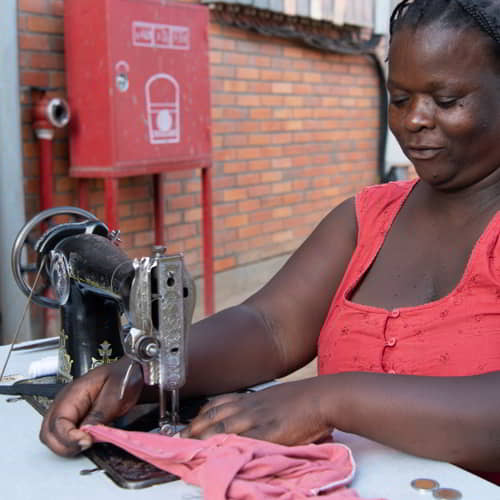
Any amount can provide a lifeline to the lost. Through an income-generating animal or sewing machine or through sponsorship, Christ’s love is displayed, and people see that He truly cares for them. A single cow provides milk for nutrition and income for school fees. Offspring multiply the family’s assets and hope. A sewing machine enables a tailoring business that generates steady earnings. Child sponsorship transforms not just one life but entire communities as educated children grow into leaders.

When you partner with GFA, you participate in God’s work across the 10/40 window. Your prayers provide spiritual covering for missionaries facing opposition. Your financial support enables wells to be dug, children to be educated and families to escape poverty. Your advocacy raises awareness among other believers about this critical mission field. Together, these efforts advance the great commission toward completion.

Learn more about what is the 10/40 window

[1] “What Is the 10/40 Window?” Joshua Project. Accessed July 15, 2023. https://joshuaproject.net/resources/articles/10_40_window.
[2] “Other Countries We Serve.” GFA World. Accessed July 15, 2023. https://www.gfa.org/regions/other/.
[3] “Why Sponsor a Child with GFA World?” GFA World. Accessed July 15, 2023. https://www.gfa.org/sponsorachild/why-sponsor/.
[4] “National Missionaries.” GFA World. Accessed July 15, 2023. https://www.gfa.org/sponsor/.