
Disaster Relief Organizations

Where Can I Send Disaster Relief Donations?

One of GFA World’s ministries helps with disaster relief. Disaster relief donations help us with this important effort. After a disaster strikes, shelter is more than a place to rest. It becomes a place of security and access to food, water, and medical treatment. Earthquakes, cyclones, and floods are among the most devastating natural disasters. They wipe out homes, crops, and entire livelihoods. These events often happen without warning. They can affect entire regions in moments. Impoverished families are left with even less and almost no hope for the future.[1]

In the first days after a crisis, affected communities often need safe water, basic supplies, and a safe place to rest. When disaster strikes, people often face overwhelming challenges. Emergency shelter provides essential protection and support during critical recovery periods. These shelters offer more than physical safety. They become places where families can begin to heal and plan their next steps. Some people choose to give through a disaster relief fund. That way help can be ready as needs become clear.[3] [4]

GFA works to ease immediate burdens. We give families food, water, clothes, and hygiene items. Our missionaries are also focused on long-term solutions. These include:

  • helping people rebuild their homes
  • getting their children back in school
  • providing them income-generating gifts that can change the course of their future

Income-generating gifts can include resources that help families meet basic needs like food, water, and education. These gifts help break cycles of poverty. They create sustainable pathways forward for families in need. Examples include livestock, sewing machines, or fishing equipment. These tools help families earn income and support themselves over time.

These are the same steps that GFA takes to relieve poverty. So it makes sense to take the same steps after natural disasters.

Disaster response can focus on urgent safety and essential needs. Recovery can focus on restoring routines and stability. Many organizations in the United States provided $1.7 billion in disaster relief giving during 2022. This funding supports both immediate response and long-term recovery efforts. This steady path is what many people mean by relief and recovery. It can take patience. Recovery work often continues for months or even years after media attention fades. Communities need ongoing support to fully rebuild.

In some places, long term recovery may include rebuilding homes and helping children return to school.[5] Natural disasters make poverty worse and make its cycle even harder to escape.

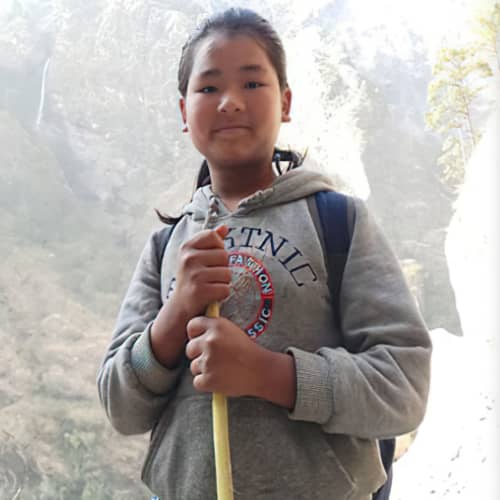
Sahlma was only 9 when a magnitude 7.8 earthquake struck her village in 2015.[2] The homes were reduced to rubble. Their possessions were all buried. Emergency shelter became critical for survivors in the aftermath.

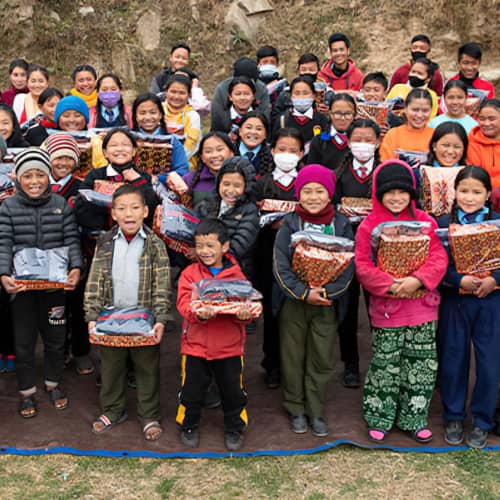
GFA missionaries and local authorities passed out tarps for shelter. But those were only temporary relief. The already poor community still faced the problem of providing for themselves after the earthquake.

Sahlma’s parents had to go find work in a nearby town. They left the nine-year-old behind to look out for her two younger siblings. According to reports on child labor, families facing poverty often have no choice but to send children to work. This happens when disasters destroy crops or ruin farming land. Children become vulnerable to exploitation during these crisis periods.

Sahlma even had to pick up work as a porter. She carried heavy, loaded baskets over the rocky terrain. This earned extra money for her family. The physical demands were harsh for someone so young. But her family needed every bit of income they could find.

GFA World’s Child Sponsorship Program had operations in the town where Sahlma’s parents worked. So they enrolled her in the program. This eased some of the family’s financial burdens. It provided her tuition, school supplies, and nutritious meals. Soon, Sahlma and her siblings got to move to the town with their parents. She continued her studies. This opened many more opportunities for the future.

For families under pressure, that kind of financial assistance can help children stay in class during a hard season. Educational support helps prevent child labor effectively. Quality education must be accessible and welcoming for families to keep children in school instead of work.

Sahlma wants to become a social worker one day. She hopes to help people and children who are going through disasters and poverty as she once did.
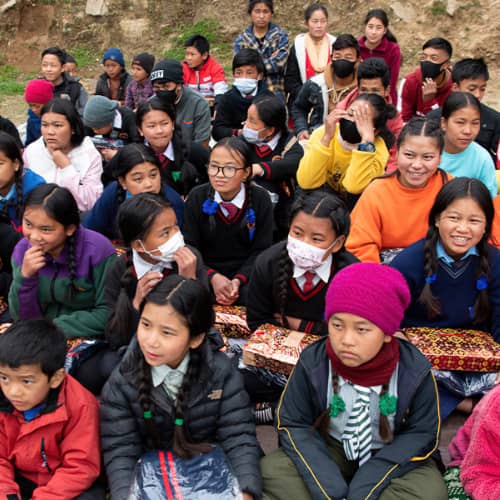
GFA World works with impoverished families and those who have been hurt by natural disasters. When disaster strikes, communities need both immediate relief and long-term support. This dual approach helps families move from crisis to stability. It addresses urgent needs while building foundations for lasting recovery. Our workers provide emergency relief through rescue, medical care, food, and water. Emergency shelter serves as a foundation where families can access essential services while beginning recovery. These shelters become safe spaces for healing and careful planning.

GFA stays involved after the disaster. We rebuild homes, keep kids like Sahlma in school, and provide income-generating gifts to families. This continued presence makes a real difference. Families know they have support not just for days but for the months ahead.

Want to support disaster response in a practical way? Donors in the United States help fund critical relief efforts worldwide. Your gift can help families take their next step forward.

Consider joining in these relief efforts and donating to GFA.

Learn more about GFA and disaster relief organizations

[1] “Disaster Relief Work.” GFA World. https://www.gfa.org/compassion-services/disaster-flood-relief. Accessed October 25, 2022.
[2] “A Burden Slides off Preteen Girl’s Back.” GFA World. https://www.gfa.org/news/articles/a-burden-slides-off-preteen-girls-back-wfr22-01. January 2022.
[3] American Red Cross. “Disaster Relief.” Accessed January 12, 2026. https://www.redcross.org/about-us/our-work/disaster-relief.html.
[4] IFRC. “Shelter and Settlements.” Accessed January 12, 2026. https://www.ifrc.org/our-work/disasters-climate-and-crises/shelter-and-settlements.
[5] Bexar County, TX – Official Website. “The Five Phases of Emergency Management.” Accessed January 12, 2026. https://www.bexar.org/694/Five-Phases.