

Medical missions

What Does a Medical Missions Outreach Look Like?

One of GFA World’s medical missions outreach programs is medical camps. Rural and remote villages can be miles away from medical centers, impossible distances for the sick to travel. Even if a medical center is close enough to reach, many people in South Asia and Africa can’t afford to pay for medical treatment. Because of this, at least half of the world’s population cannot obtain necessary health services.[1] GFA’s medical camps seek to change this.

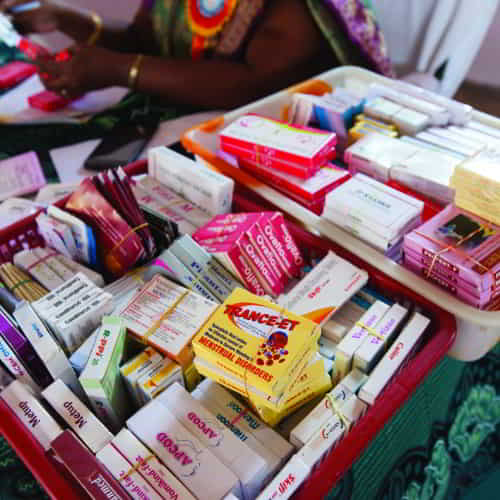
Globally, as many as 70 percent of diseases are preventable and curable, but many people succumb needlessly because they lack access to care or knowledge of basic first aid and hygiene.[2]

Workers from a tea estate in South Asia suffered from anemia and vitamin deficiencies since their income was insufficient to pay for healthy diets or vitamins. GFA World missionaries found out about these struggles and conducted a medical camp. Experienced doctors ministered to the needs of the tea estate by providing the vitamins, supplements and medicines they were missing. One recipient, an elderly woman, said, “I received enough vitamins for one-and-half months, and I will never be able to purchase this much medicine in my lifetime.”[3]

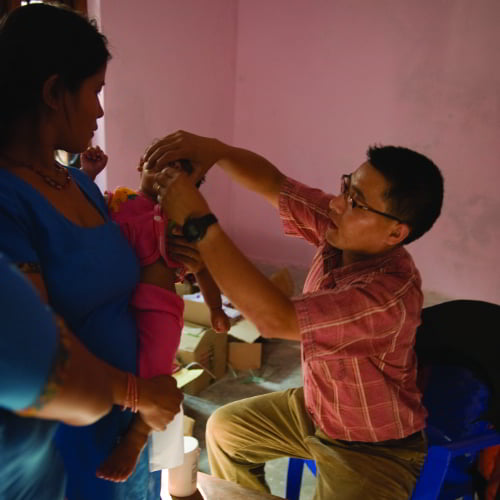
GFA’s medical camps are held in various locations throughout Asia and Africa, offering a wide range of services. Some camps focus on teaching attendees about hygiene, the importance of healthy diets and first aid. Other camps offer free checkups, medical and dental treatments, medicine and antibiotics. In each case, experienced doctors and staff provide compassionate care to people who may otherwise have never received the help they needed.[4]

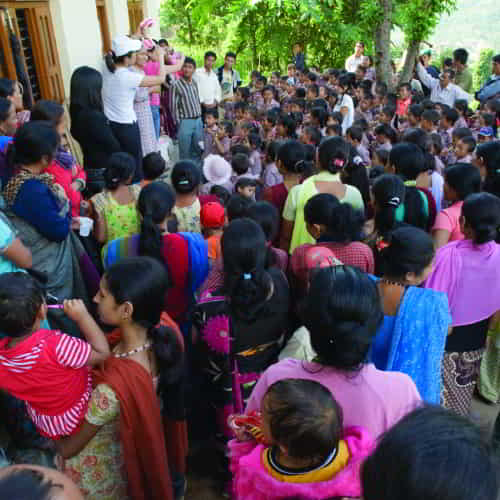
In one event, GFA missionaries hosted three medical camps in a rural region of Asia. A total of 1,020 people attended, received free medicine and treatment and heard a message of Jesus’ love. The camps were a tangible display of Christ’s compassion, leading the patients to understand God’s love in a deeper way. Dayal, one attendee of the camps, said, “I am very happy with Christians … for the concern for poor people like us. I do not have even a single rupee for my treatment of backbone pain, but now I could undergo treatment and get medicine freely.”[5]
National Missionaries Leading Compassionate Care

While short term medical missions from other countries provide valuable support, the enduring impact of medical outreach depends on national missionaries who live and serve within their own communities. These dedicated ministers understand the local languages, cultural sensitivities, and specific health challenges their neighbors face. They build trust over years rather than weeks.

National missionaries organize and lead medical camps with a long-term vision that extends beyond immediate treatment. Unlike temporary volunteers who arrive and depart, these faithful workers remain present to follow up with patients, address complications, and provide ongoing spiritual care. Their commitment creates sustainable pathways for transformation that persist long after any single medical camp concludes.

The World Health Organization estimates that 4.3 million health workers are needed in Africa and Asia to adequately serve their populations. This severe shortage makes the work of national missionaries even more critical. They mobilize community resources and coordinate with local healthcare workers to maximize impact where professional medical staff are scarce.

National missionaries bring cultural understanding that enhances every aspect of medical ministry. They know which health education approaches resonate within their communities. They recognize when traditional practices complement modern medicine and when harmful beliefs require gentle correction. Research shows that cultural sensitivity significantly affects how treatment is welcomed and received in medical outreach settings.

Training Healthcare Workers for Lasting Change

GFA’s medical ministry goes beyond treating immediate ailments to equipping communities with healthcare professionals who can provide ongoing care. Medical camps serve as training grounds where national missionaries mentor local volunteers in basic health assessment, first aid, and disease prevention strategies.

This training creates a multiplier effect throughout entire regions. A single medical camp might treat hundreds of patients in one day, but the knowledge transferred to local workers continues benefiting communities for years. Training local healthcare workers ensures communities develop self-sufficient, resilient healthcare systems that address future challenges independently.

During medical camps, experienced doctors teach local volunteers to recognize symptoms of common illnesses, administer basic treatments, and identify cases requiring specialist referral. These practical skills enable community health workers to provide essential care between medical camp visits. They become trusted health advocates within their own villages.

Many developing regions face overwhelming barriers to medical care, including lack of trained professionals, limited supplies, and hospitals located hours or days away. Training initiatives help bridge these gaps by expanding the base of capable health providers. Community members who receive training often become passionate advocates for health education among their neighbors.

Trained community health workers extend the reach of medical camps exponentially. After receiving instruction, they conduct basic health screenings in remote villages, teach hygiene practices to families, and provide first aid when injuries occur. This grassroots healthcare network means people receive help promptly rather than waiting weeks or months for the next medical camp visit. The multiplication of trained workers creates sustainable health improvement across entire regions.

National missionaries coordinate these training programs with deep understanding of local needs. They identify which health challenges cause the greatest suffering in their areas, whether malaria, malnutrition, or preventable infections. Training curriculum addresses these specific priorities rather than following generic templates developed elsewhere.

Transforming Communities Through Holistic Ministry

The impact of medical outreach extends far beyond physical healing to transform entire communities spiritually, socially, and economically. When people receive life saving medical care freely given in Christ’s name, they witness God’s tangible love. This often opens hearts to hear the Gospel message that national missionaries share.

Medical camps create opportunities for sustained relationship-building between national missionaries and the communities they serve. Trust develops as people see consistent, compassionate care year after year. These relationships become the foundation for broader community development initiatives addressing education, clean water, and economic opportunity.

Research on medical outreach in Nigeria found that comprehensive programs addressing healthcare, education, and humanitarian assistance foster sustainable change in underserved communities. A holistic approach proves more effective than isolated medical interventions. GFA’s national missionaries naturally integrate multiple forms of support as they walk alongside their neighbors through life’s challenges.

The transformation often begins with health education that empowers people to protect their families. When mothers learn about proper nutrition, clean water practices, and disease prevention, entire households benefit. Children grow healthier and stronger, better able to attend school and break cycles of poverty.

Some community members who encounter Christ’s love through medical ministry later become national missionaries themselves. They train at Bible colleges, return to their home regions, and multiply the impact exponentially. This creates a virtuous cycle where today’s beneficiaries become tomorrow’s compassionate caregivers.

The ripple effects of transformation touch every dimension of community life. Healthier parents work more productively, lifting families economically. Children freed from chronic illness attend school consistently, gaining education that breaks poverty cycles. Villages with basic health knowledge experience fewer preventable deaths, strengthening social fabric and community resilience for generations.

Nearly 6 million people in developing countries die annually from lack of quality healthcare, while 2.9 million deaths occur specifically from lack of access to any care at all. These staggering statistics underscore why community transformation through medical ministry remains desperately needed across Africa and Asia.

Partnering with Mission Trips for Greater Impact

While national missionaries provide the foundation, partnerships with volunteers from the United States and other developed nations amplify the reach of medical outreach. Composite expenditures for missions from America approach $3.7 billion annually, demonstrating significant investment in global health.

These medical mission trip partnerships work best when structured to support and learn from national leadership rather than operate independently. Visiting healthcare professionals bring specialized expertise and additional resources. National missionaries provide essential cultural knowledge, language skills, and ongoing patient relationships. Together they accomplish more than either could alone.

Medical mission trips allow healthcare professionals to gain valuable international experience while serving vulnerable populations. Doctors, nurses, and other specialists volunteer weeks of their time to perform surgeries, conduct health screenings, and provide treatments unavailable in remote areas. They also mentor local healthcare workers, transferring advanced medical knowledge. America sends over 2 million people on short-term missions trips every year, though not all focus specifically on medical care.

The most effective missions create structures supporting long-term sustainability after volunteers depart. This includes establishing protocols for follow-up care, building capacity within local health systems, and ensuring adequate medical supplies remain available. National missionaries carry forward this work after international teams return home.

Consider partnering with us in this effort to bring medical missions to the parts of the world that need it most. Providing free care and training takes a lot of resources, so the medical camps rely heavily on donations. Whether your donation is small or large, your sacrifice is meaningful for providing care and showing the love of God to those in need.

Learn more about medical missions

[1] “World Bank and WHO: Half the World Lacks Access to Essential Health Services, 100 Million Still Pushed into Extreme Poverty because of Health Expenses.” The World Bank. December 13, 2017. https://www.worldbank.org/en/news/press-release/2017/12/13/world-bank-who-half-world-lacks-access-to-essential-health-services-100-million-still-pushed-into-extreme-poverty-because-of-health-expenses.
[2] “Water, Sanitation and Hygiene Burden of Disease.” Accessed December 13, 2023. https://www.who.int/data/gho/data/themes/topics/water-sanitation-and-hygiene-burden-of-disease.
[3] “Medical Camps—Love in Action.” GFA World. August 28, 2017. https://gospelforasia-reports.org/2017/08/6176/.
[4] Ibid.
[5] Ibid.