
Medical missions

Why Should We Do International Medical Missions?

There is a major need for international medical missions. For many people in the poorest parts of Asia and Africa, whenever illness strikes, they can only suffer and wait for it to pass. For people trapped in this level of poverty, they often choose to endure the pain rather than to whittle away limited finances trying to access healthcare. Worldwide, 1 billion people are at risk of falling into poverty due to health spending.[1] And because so many are prevented from visiting the doctor, 2.9 million people die every year from a lack of access to health care. This situation is heartbreaking, and many organizations, including GFA World, are working to bring health care to the poorest places.

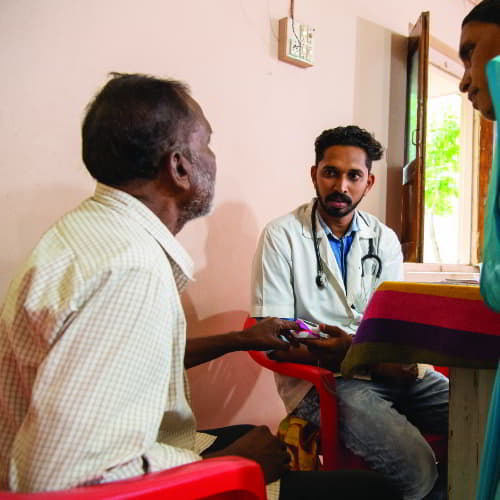
Nealy is one such person helped through our medical missions.

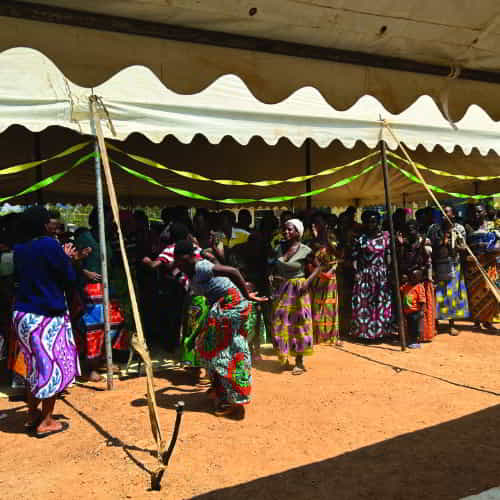
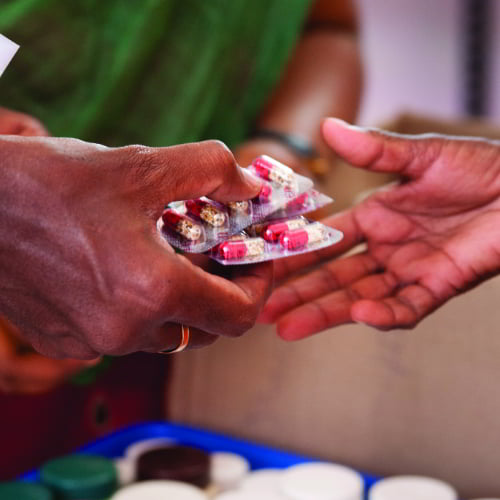
He is a 55-year-old farmer, and struggled to do his work and keep his family afloat because of leg pain and acid reflux. He had endured this for six months since he didn’t have any extra income to spend on treatment. A fellow villager named Pakuna, a 60-year-old mother of three, had been struggling with high blood pressure and diabetes for four years. She couldn’t afford medication either. Then, in celebration of World Health Day, the villagers were invited to a medical camp organized by GFA-missionaries and volunteers. Nealy, Pakuna and other attendees were given the medicines they needed free of charge. Around 400 people in total received medical attention at the camp. They no longer had to decide between falling farther into poverty and living in pain. They could be healthy and whole.[2]

Stories like Nealy’s multiply because local healthcare leaders understand their communities in ways outsiders never could. They speak the language, know the cultural beliefs, and have earned trust over years. According to research published in global health archives, medical missions have contributed substantially to universal health coverage through the training and deployment of local doctors and health workers. When national missionaries serve in remote villages, families see someone who shares their struggles and hopes. This connection opens doors for both physical healing and spiritual transformation.

GFA World’s national missionaries don’t simply distribute medicine—they transform communities. They train neighbors to become advocates for better health, teach families about nutrition and hygiene, and establish fellowships where God’s love becomes tangible. The impact unfolds gradually. A national missionary might begin with a medical camp treating immediate needs. But relationships formed during treatment open conversations about clean water, sanitation, and disease prevention. Families who once believed illness came only from spiritual causes learn about germs and nutrition. Children who watched siblings die from treatable conditions now have access to simple interventions that save lives.

These changes ripple outward. Programs like the Care Group Model have revolutionized health in hundreds of thousands of homes across 28 countries by training volunteers working alongside national staff to confront serious health threats. A woman who receives prenatal care becomes an advocate for other mothers. A man whose infected wound heals tells neighbors about proper hygiene. Young people who see dedicated healthcare professionals serving their community begin asking how they too can serve. This work extends far beyond temporary mission trips—it builds movements that will serve generations.

National missionaries understand the barriers their communities face. In remote areas where hospitals lie miles away across difficult terrain, they establish medical camps bringing care directly to villages. In regions where cultural beliefs create suspicion of outside medicine, they bridge trust through shared language and experience. Where poverty forces families to choose between food and treatment, national missionaries ensure both needs are met.

GFA has hosted thousands of these medical camps across Asia over the years, and now we have started to serve in Africa and plan to begin medical ministry there as well. Volunteer opportunities enable healthcare workers to bring essential patient care to regions where medical access remains limited.

In fact, GFA is currently building a 300-bed tertiary hospital in Rwanda. Once built, it will be only the second modern hospital in the country. It will also be a medical college where people from Rwanda and surrounding countries can train to become health care professionals. This will become a base from which doctors and medical personnel can launch into neighboring countries, using medical camps to spread the care and hope of God around Africa. This hospital will be a hub of medical care, hope, healing and God’s word.[3]

Training Healthcare Professionals for Long-Term Impact

Sustainable medical ministry requires more than short-term interventions. It demands investment in training the next generation of medical professionals who will serve their own communities. Africa faces acute shortages, with many countries having fewer than 2.3 health workers per 1,000 population—far below the minimum threshold needed for essential health services. While medical mission trips provide temporary relief, lasting change comes from building local capacity.

Rural health systems in Africa and Asia struggle with challenges that compound one another. Limited infrastructure, inadequate medical equipment, and shortages of trained staff create barriers to care. African countries experience a disproportionate 24% of the global disease burden with only 3% of the world’s health workforce. Families in remote villages often lack access to even basic services.

These realities shape how GFA World approaches medical ministry. Rather than creating dependency, we invest in people who will become teachers themselves. A doctor trained today will train others tomorrow, multiplying impact across entire regions through sustained mentorship, community health initiatives, and skill transfer.

Training programs address this crisis by developing local doctors and nurses who understand regional health challenges. GFA World’s Rwanda hospital will function as a teaching institution, preparing healthcare professionals from across the region. Research demonstrates that training initiatives work best when they prioritize country ownership, build institutional capacity, and ensure long-term sustainability rather than creating dependency on foreign expertise.

Medical mission volunteer programs complement this training by bringing experienced practitioners to work side-by-side with local staff. These programs allow doctors nurses and other specialists to share knowledge while learning from their hosts. Such partnerships strengthen skills, introduce new techniques, and build professional networks that outlast any single visit.

The concept of collaborative medical missions reflects partnerships across organizations. Rather than working in isolation, organizations like GFA World partner with local churches, government health ministries, and community leaders. This model recognizes that effective care requires coordinated effort across multiple sectors.

Short-term medical teams serve an important role when integrated into broader training strategies. These teams can provide specialized care, conduct intensive training workshops, and support overwhelmed healthcare systems and local facilities during peak times. The key lies in ensuring these trips strengthen rather than undermine local capacity, building relationships that continue long after teams return home.

This comprehensive approach mirrors successful programs worldwide. When medical training combines hands-on clinical experience with health education, outcomes improve. Programs emphasizing country ownership and gradual transition from foreign to local leadership create lasting change. The Rwanda hospital embodies this vision—a place where Africans will train Africans, where medical excellence grows from within.

Effective medical outreach depends on partnerships connecting expertise with need. International specialists bring knowledge to remote regions—surgeons, diagnosticians, and treatment experts with skills unavailable locally. Yet contributions work best when integrated thoughtfully, strengthening local systems rather than replacing them. Organizations like the international medical corps and a global medical missions alliance exemplify how coordinated partnerships multiply impact. Each medical camp, training session, or teaching hospital empowers communities to take ownership of their health.

GFA’s medical ministry relies on donations so we can continue providing free checkups, medicines and health training. Our medical camps reach people who may otherwise never see a doctor, bringing them lifesaving care and showing the love of God to the lost. Please consider partnering with us through support of this essential ministry.

As medical camps and the construction of the hospital continue, consider partnering with GFA in our medical mission.

Learn more about medical missions

[1] “Primary Health Care.” World Health Organization. April 1, 2021. https://www.who.int/news-room/fact-sheets/detail/primary-health-care.
[2] “Medicine Brought to Those Who Couldn’t Afford It.” GFA World. May 6, 2021. https://gospelforasia-reports.org/2021/05/medicine-brought-to-those-who-couldnt-afford-it/#_ftn2.
[3] “Monthly Prayer Focus: Pray for GFA World’s Medical Ministry.” GFA World. Accessed July 14, 2023. https://www.gfa.org/pray/pray-medical/.