What Are Some 10/40 Window Facts?
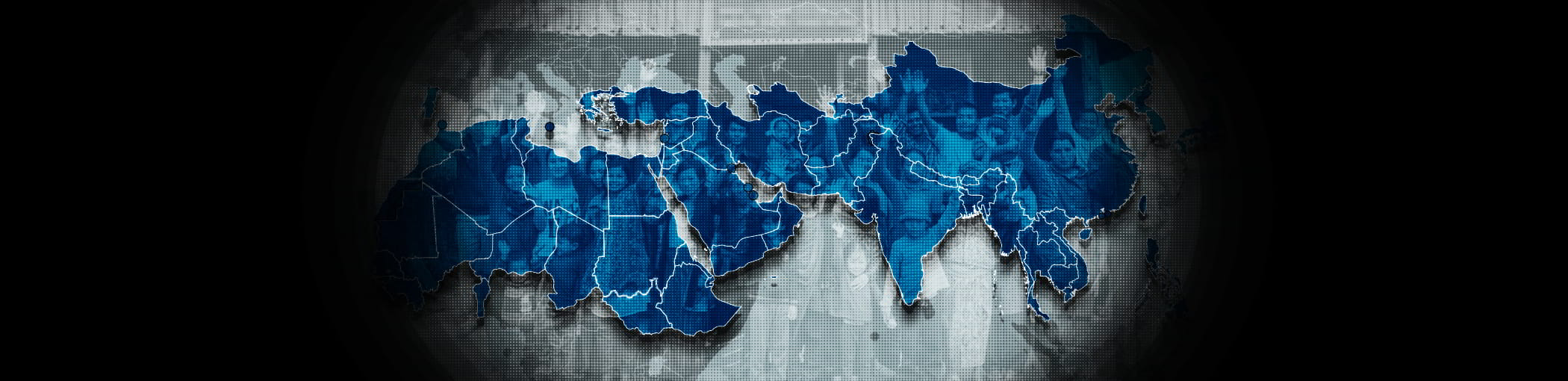
The 10/40 Window represents one of the most significant regions for Christian missions and humanitarian work. Missionary strategist Luis Bush coined this term in 1990 to identify areas between 10 and 40 degrees north latitude.[7] This rectangular region spans from West Africa through the Middle East to Asia. It encompasses countries with the highest concentration of people living without access to the Gospel.
Data from Joshua Project shows approximately 5.44 billion people reside in this region today. This accounts for nearly two-thirds of the world’s total population. More than 3.45 billion people among them belong to unreached people groups. These are communities where less than 2% identify as Christian believers.
Population and Spiritual Need
Here are some of the most important 10/40 window facts, based on Joshua Project:[1]
- Nearly two-thirds of the world’s population live within this designated area.
- 80% of the world’s poorest people groups live here.
- Thousands of different people groups and languages live in this region.
- More than 3.45 billion people in these regions follow one of three traditional Eastern religions.[2]
- Most of these people groups have never heard of Jesus. They also do not have a Bible in their language.[3]
The scale of this spiritual need is staggering. Studies indicate that approximately 68.9% of people groups in the 10/40 Window are considered unreached. Among the world’s Muslims, Hindus, and Buddhists, the overwhelming majority live within these boundaries. Islam claims about 1.8 billion followers in this region. Hinduism accounts for roughly 1.2 billion. Buddhism adds another 520 million adherents.
The concentration of poverty here compounds the challenge. Research shows that more than 80 percent of the poorest of the poor exist in the 10/40 Window. Many survive on less than a few hundred dollars per person per year. This overlap between spiritual and physical need creates urgent opportunities for compassionate ministry.
Language diversity presents both challenge and opportunity. The 10/40 Window includes over 4,000 distinct languages. Many of these language groups have no Scripture translation. Some lack even a written alphabet. This linguistic reality means translation work remains critical for sharing the good news effectively.
Oral cultures dominate approximately 70% of the population in many 10/40 Window regions. For these communities, written texts may not be widely accessible or preferred. This means ministry approaches must adapt. Story-telling, audio resources, and visual media prove more effective. Workers must think creatively about how to communicate truth in ways people can receive.
Geographic Scope and Distribution
The youth population presents unique opportunities. Data shows over 60% of the population in many countries is under age 25. This young demographic means decisions made today will shape these regions for decades. Ministry that reaches young people can transform entire generations. Their energy, openness, and influence make them strategic for lasting change.
This designated area sits between the 10 and 40 north latitude lines. It includes the largest swath of humanity. It also contains the largest number of people who have never heard about Jesus.[4]
Geographic research from missions mapping experts reveals the Window encompasses 68 countries in the 10/40 region. These span three major geographic zones. The western portion covers North Africa and the Middle East. The central section includes South Asia. The eastern zone extends to Southeast and East Asia. This diversity means workers must adapt to vastly different cultural contexts.
The Window contains some of the world’s largest nations. India alone holds over 1.4 billion people. China adds another 1.4 billion. Indonesia contributes nearly 280 million. Pakistan has more than 230 million. Bangladesh adds 170 million. Together, these five nations account for the majority of the world’s population concentration in this region.
Urbanization is rapidly transforming the 10/40 Window landscape. Over 50% of the population now lives in urban areas. Cities are growing at unprecedented rates. This urban shift creates new ministry opportunities. City dwellers often experience more openness to new ideas. They face unique pressures and needs. Ministry in these urban centers requires different strategies than rural outreach. Yet the potential for impact remains tremendous.
Challenges and Barriers
Many of these places are closed to outsiders for different reasons. Some are also dangerous because of geographic, political and economic conditions.[5]
Government restrictions on religious freedom affect much of the 10/40 Window. Reports from persecution monitoring organizations indicate over 70% of countries here have high or very high levels of restrictions. Open evangelism is difficult or impossible in many areas. Some nations impose severe penalties for sharing faith. This reality makes creative ministry approaches essential.
Natural barriers add to the challenges. Many communities exist in remote mountain regions. Others live in harsh desert environments. Some occupy isolated islands. Geographic isolation means reaching certain villages requires days of difficult travel. This is where national missionaries prove invaluable. They understand these terrain challenges intimately.
Cultural and Religious Context
For many people groups, religion is more than a set of beliefs. It is tied to daily life and culture. Alyssia Lee, a writer for Just Disciple, explains that leaving a religion can mean leaving “heritage, family, social standing, etc.”[6]
In predominantly Muslim areas, Islamic practice shapes every aspect of community life. Prayer times structure the daily schedule. Religious festivals mark the calendar. Family honor and religious identity intertwine completely. Similar patterns exist in Hindu and Buddhist regions. Religion determines social hierarchies, marriage possibilities, and community belonging.
This cultural integration means change affects entire social networks. When someone expresses interest in Christ, they often face intense family pressure. Community ostracism may follow. Economic consequences can be severe. Understanding these dynamics helps workers serve with wisdom and compassion. It reminds us why prayer and patient relationship-building matter so deeply.
Because of that, serving these people groups takes cultural understanding. Sharing the love of Jesus with them requires this same understanding. When someone truly grasps the culture, they can minister more effectively.
The Great Commission and Our Response
The Great Commission calls believers to make disciples of all nations.[8] This mandate, recorded in Matthew 28:19-20, carries special significance for the 10/40 Window. Jesus commanded His followers to go into all the world. His promise to be with them until the end of the age assures workers today. This biblical foundation drives modern missionary efforts across this vast region.
Bringing the good news to unreached peoples fulfills God’s heart for all humanity. Yet mission research shows only about 10% of global missionary resources flow to the 10/40 Window. This disparity exists despite the region containing two-thirds of the world’s population. The imbalance highlights the ongoing need for workers, prayer, and support in these areas.
The Power of National Missionaries
That is why GFA World trains and sends national missionaries. These men and women are born and raised in the countries where they serve. They know the culture firsthand. Even with years of study, an outsider will not be as fully integrated as someone who has lived in the culture their entire life.
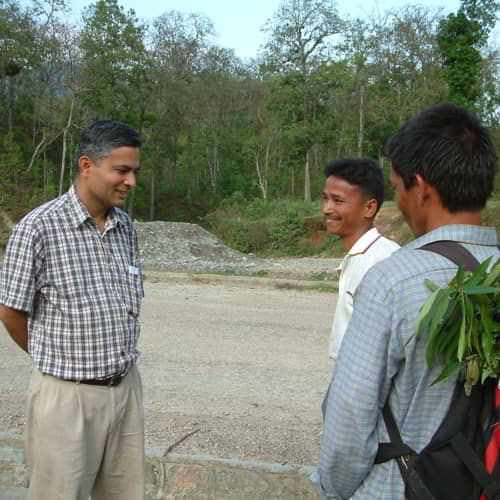
National workers bring distinct advantages to ministry in restricted regions. They speak local languages fluently. They understand cultural nuances that outsiders might miss. They navigate social structures naturally. When nationals share faith, it appears less foreign. Communities often welcome them more readily. This cultural competency makes national missionaries exceptionally effective in the 10/40 Window context.
Training equips these workers for the unique challenges they face. GFA provides biblical education through ministry training programs. Workers learn practical skills for serving their communities. They receive ongoing encouragement and support. This investment in local believers multiplies impact. One well-trained national missionary can reach hundreds or thousands in their lifetime of service.
The multiplication effect proves powerful. When local believers embrace Christ’s love, they naturally share it within their networks. Family members witness transformation. Neighbors notice changed lives. This organic spread of faith moves through existing relationships. It crosses barriers that would stop outside workers. Through God’s grace, entire communities can experience hope and renewal.
Today, you can partner with GFA in sending national missionaries to the hardest, most vulnerable places in the window between 10 and 40 degrees north latitude. Many people here lack the most basic of life’s necessities. They need clean water, adequate nutrition, and access to education. GFA workers want to bring hope, both physically and spiritually. You can help by sponsoring a missionary for only $45 each month.
Request a map of the 10/40 region by calling GFA at 1-800-946-2742. Then pray about how God wants to use you. Ask Him how you can love these people through these special men and women from GFA.
Hope begins for many people when they are truly seen. GFA workers know what it is to be just like the person they want to serve. They understand the struggles firsthand. They speak the same language. They share the same cultural background. Send a national missionary today.
Learn more about the 10/40 window[1] “What is the 10/40 Window?” Joshua Project. https://joshuaproject.net/resources/articles/10_40_window. Accessed January 29, 2026.
[2] “10/40 Window: The Ultimate Guide.” Pray1040. https://pray1040.com/10-40-window/. Accessed January 29, 2026.
[3] “Has Everyone Heard?” Joshua Project. https://joshuaproject.net/resources/articles/has_everyone_heard. Accessed January 29, 2026.
[4] Ibid.
[5] “10/40 Window: The Top Facts You Need To Know.” Just Disciple. https://justdisciple.com/what-is-the-10-40-window/. Accessed January 29, 2026.
[6] Ibid.
[7] “10/40 Window.” Wikipedia. https://en.wikipedia.org/wiki/10/40_window. Accessed January 29, 2026.
[8] Matthew 28:19-20. New King James Version.